

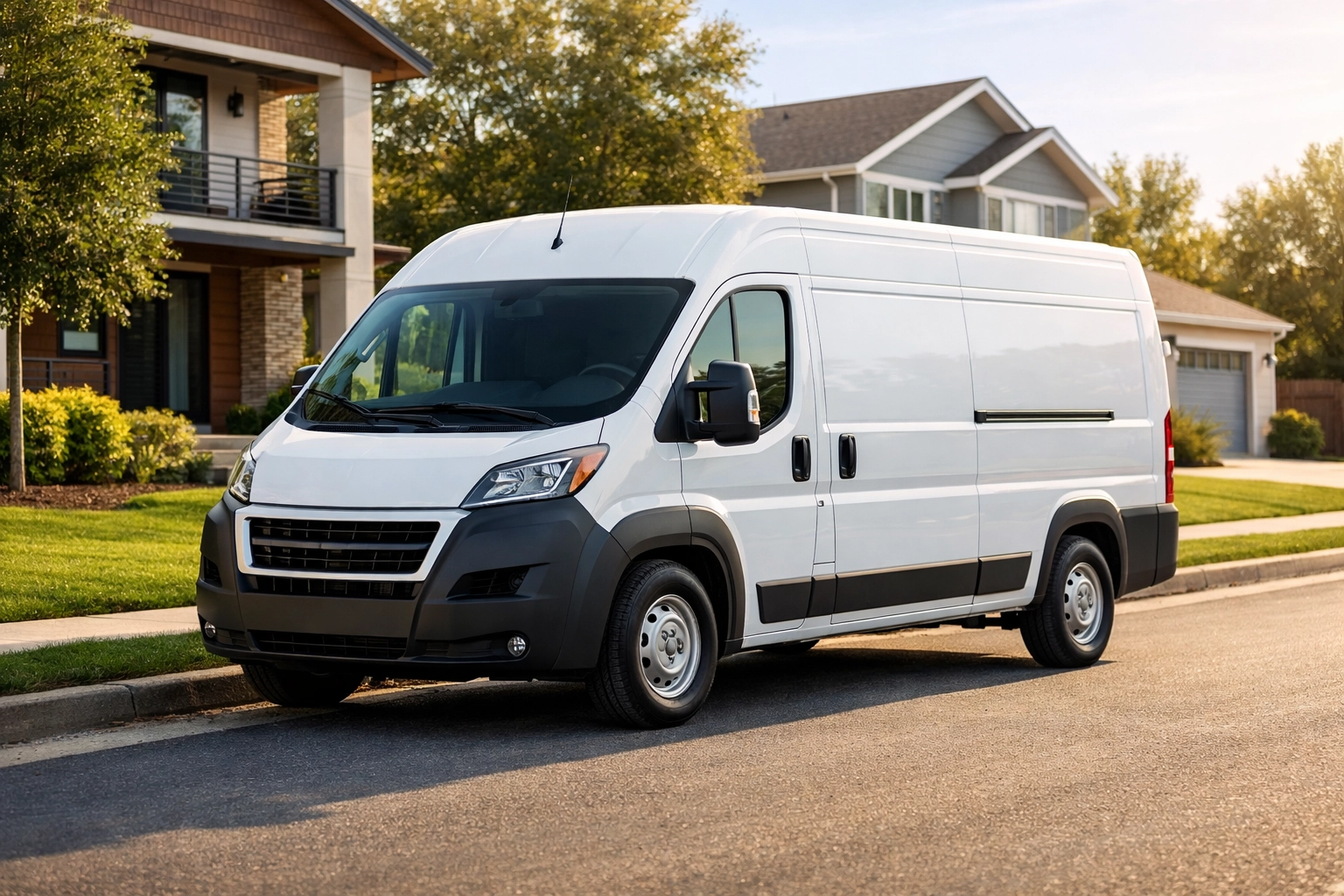
If you’re running a plumbing, HVAC, or electrical business, you’ve got a massive asset sitting in your driveway (or currently stuck in traffic on the Deerfoot): your fleet.
But here’s the cold, hard truth: most of those trucks are "Ghost Trucks."
They drive around all day, they’ve got your logo on the side, maybe a phone number that’s too small to read, and… that’s it. They’re invisible. They’re haunting the streets without actually haunting the minds of your potential customers. People see them, but they don't engage with them.
I’m Blair Shunk, and at Unrivald Digital, we hate seeing wasted marketing space. Your trucks shouldn't just be transportation for your tools; they should be 24/7 lead-generation machines. Today, I want to show you exactly how to stop the "ghosting" and start turning those service vehicles into your best sales team.
The Problem: Your Truck is a Static Billboard in a Digital World
Traditional truck wraps are great for brand awareness, but they’re passive. In 2026, people don't pull over to write down a phone number. If they can’t interact with your business the second they see you, you’ve lost them.
Think about the "Consumer Journey." Someone sees your truck while they’re walking their dog. They realize, "Hey, I’ve been meaning to fix that leaky faucet." If they have to remember your name, go home, search for you on Google, find your site, and click "Contact," there are about ten places where they’ll get distracted by a TikTok or another competitor.
We need to close the gap between seeing the truck and taking action.
Maximize Engagement with the Fleet QR Code Campaign
The solution is simpler than you think: Dynamic QR codes.
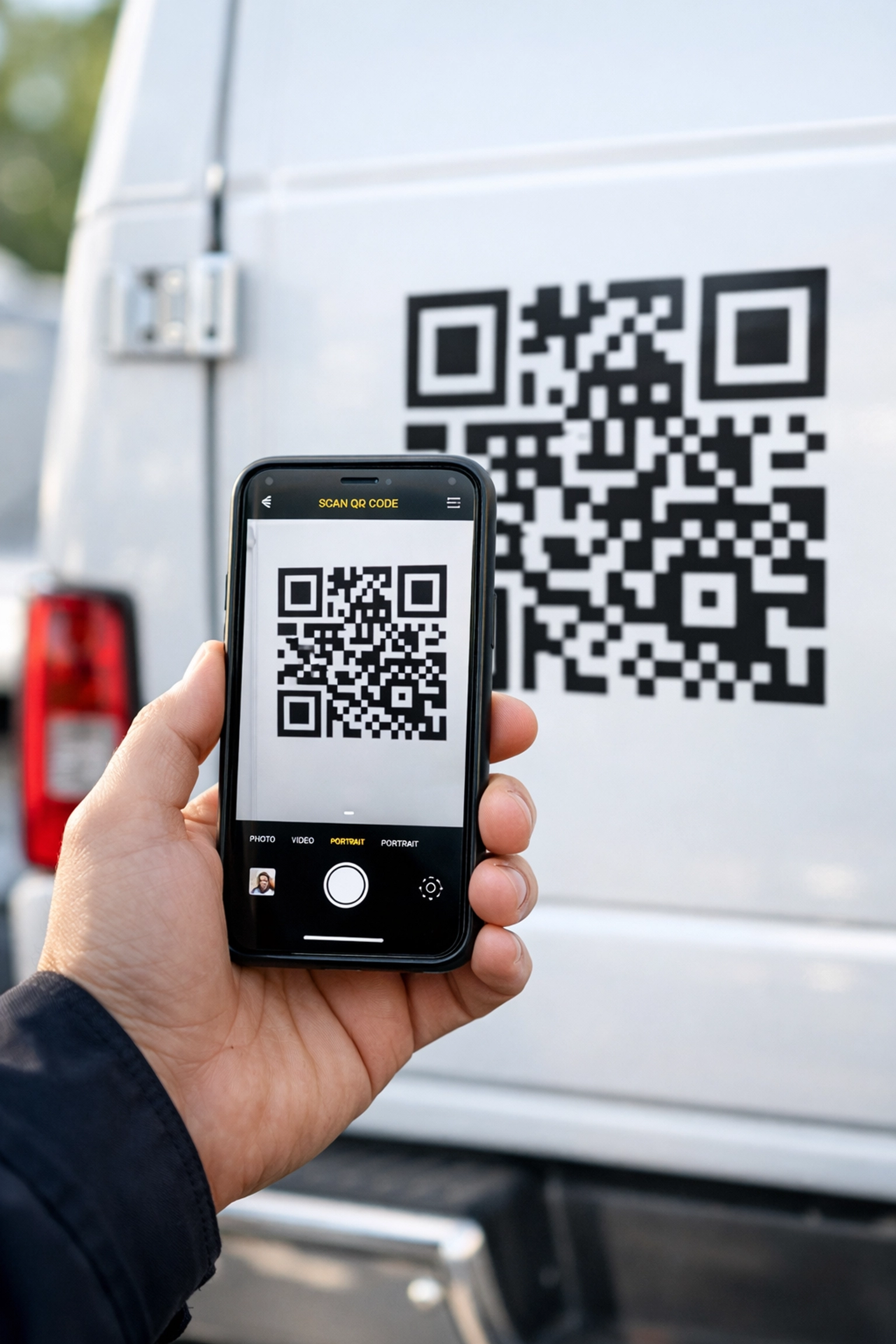
Now, I know what you’re thinking. "Blair, QR codes were for restaurant menus in 2020." Trust me, they’ve evolved. By placing high-visibility, high-contrast QR codes on the back and sides of your vehicles, you’re giving every pedestrian and driver (at a red light, hopefully!) a direct portal to your business.
When you use a QR code campaign on your fleet, you aren't just sending people to a homepage. You're sending them to a specific action. You can have a QR code that:
- Opens a direct booking link.
- Shows a gallery of recent local projects.
- Offers an "On-the-Spot" discount code for new neighbors.
But the biggest use case? Building your reputation.
How to Get More Google Reviews for Service Trucks
If you want to win the local search battle, you need reviews. It’s the engine that drives your SEO. When someone searches for "best electrician near me," Google looks at who has the most (and best) recent reviews.
The struggle is always the same: How to get more google reviews for service trucks?
Usually, you finish a job, the tech leaves, and then you send an automated email three days later. By then, the customer has forgotten how great the service was. They’re back to their busy lives.
The strategy: Put a QR code specifically designed for reviews on the back of the truck and, more importantly, inside the truck’s operational workflow.
When your technician finishes the job, they can point to the QR code on the vehicle and say, "If you’re happy with the work today, would you mind scanning this and leaving us a quick rating? It helps us stay busy in this neighborhood!"
This creates a frictionless experience. They scan, the Google review box pops up, they hit five stars, and you’ve just boosted your local ranking. If you want to see how to set this up yourself, check out our guide on how to create your own google review QR code.
The "Avery Label" Trick (Blair’s Favorite Hack)
This is something I’ve been recommending to all our trades clients lately, and they love it because it’s cheap and incredibly effective. I call it the Avery Label Trick.
While a big QR code on the back of the truck is great for people passing by, you want something personal for the customer you just served.
Here’s the move:
- Print out 2-inch circular Avery labels with a dynamic QR code that links directly to your Google Review page.
- Stick these labels in two places:
- On the back of the technician’s tablet or clipboard.
- On the inside of the driver’s side door.
- (Optional but pro tip) On the side of the unit you just serviced (like a furnace or water heater).
When the tech is wrapping up the invoice, they don't have to hunt for a link. They just flip their tablet around. The customer scans it right there while the tech is still standing in the room. The "social pressure" is just enough to ensure they actually do it, but the ease of the QR code makes it a non-burden.
It’s about making the "ask" part of the physical environment. If you want to dive deeper into how this fits into a broader strategy, our page on reputation management breaks down why these small physical touches matter.
Why "Dynamic" QR Codes are Non-Negotiable
Don't just go to a free "QR generator" and print a static code on a $3,000 truck wrap. That is a recipe for disaster.
If you use a static QR code, that link is permanent. If you change your website, move from Yelp to Google for reviews, or want to run a different promotion, that QR code becomes a dead end. You’d have to peel off the vinyl and start over.
With Dynamic QR codes, you can change the destination URL anytime you want from a dashboard.
- Monday: The QR code leads to a "Spring Tune-Up" special.
- Tuesday: You realize you need more reviews, so you flip the switch, and now every truck in the city points to your Google Business Profile.
- Wednesday: You’re hiring, so you point the codes to your "Careers" page.
This turns your fleet into a flexible, real-time marketing tool that changes as your business needs change.
The Science of "Near-Me" Search
When your trucks are out in the community, they are moving billboards that signify "Local Trust."
When someone sees your truck in their neighborhood and then sees your high review count on Google, it triggers a "Trust Loop." They think, "I see these guys everywhere, and everyone says they’re great."
By using the QR code to drive traffic to your Google Business Listing, you are feeding the Google algorithm exactly what it wants: Local engagement.
Google notices that people in a specific zip code are scanning, clicking, and reviewing your business. This signals to Google that you are the most relevant authority in that area, pushing you higher in the Map Pack.
Summary: Key Components of the Lead-Gen Fleet
To turn your "Ghost Trucks" into lead-generating machines, here is your checklist:
- High-Contrast Placement: Put the QR code on the rear door (driver's side) so people behind you at lights can see it clearly.
- Clear Call-to-Action (CTA): Don't just put a code. Put text next to it like "Scan for $20 Off" or "See Our 5-Star Reviews."
- The Avery Hack: Give your techs the tools to ask for reviews on the spot using stickers or tablet-mounted codes.
- Use Dynamic Links: Never print a static link. Stay flexible so you can pivot your strategy without re-wrapping.
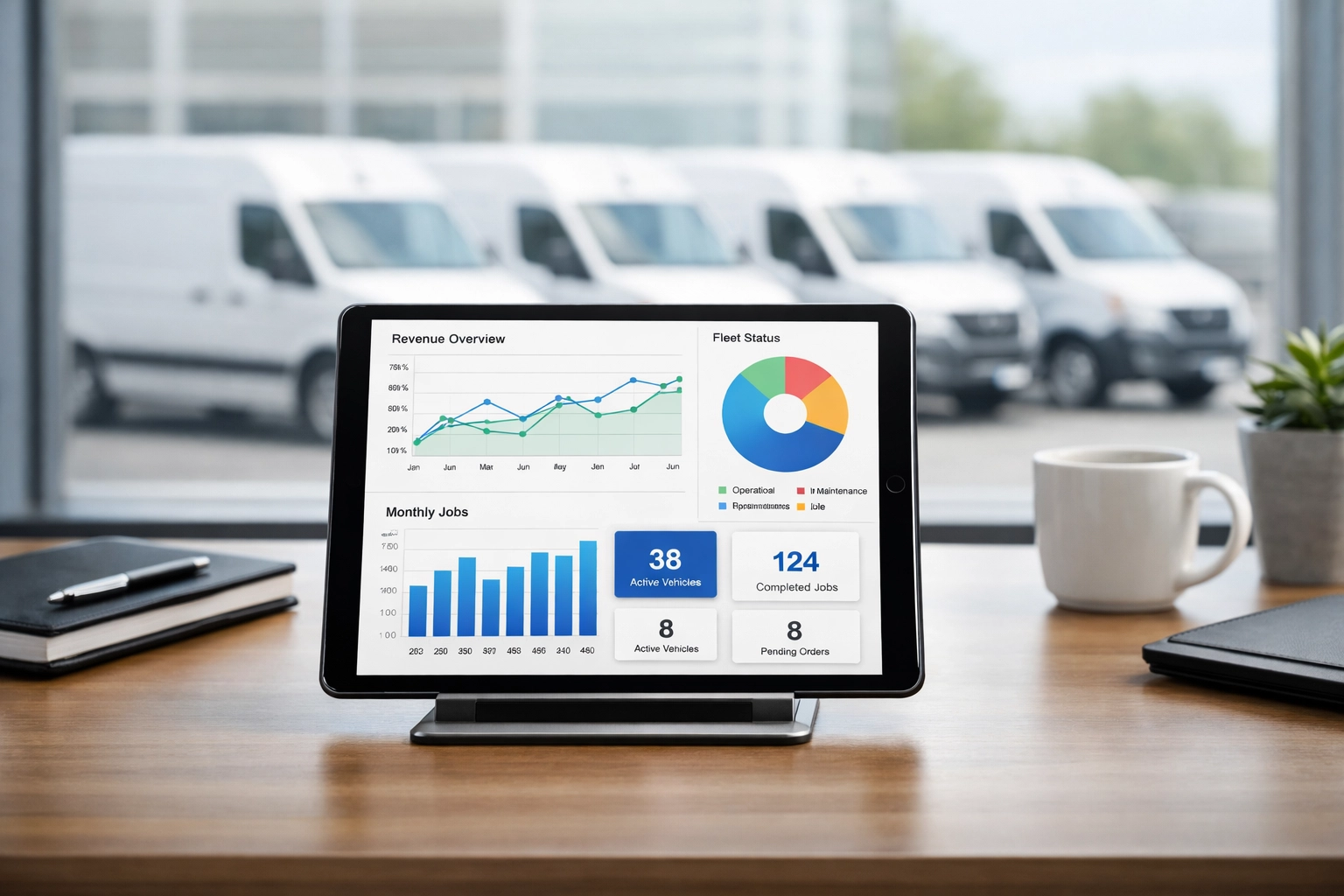
- Track the Data: One of the best parts of dynamic codes is that you can see exactly how many people scanned your truck in a month. That’s ROI you can actually see.
Stop Ghosting Your Potential Customers
Your fleet is likely your second biggest expense after payroll. It’s time it started paying you back.
Turning a truck into a lead generator isn't about fancy graphics or expensive tech; it’s about making it easy for your customers to talk to you and talk about you.
If you’re ready to stop being invisible and start dominating your local service area, let’s chat. We specialize in helping trades businesses like yours get unrivald reviews and build a digital presence that actually converts.
Ready to get started?
Don't let your trucks drive around in silence. Let’s build a campaign that gets people scanning and booking. Contact Unrivald Digital today and let's turn those Ghost Trucks into a gold mine.